
English| EUR
Suggested for you
More currencies
Choose a language
The Daintree River crocodile cruises draw thousands of visitors each year, most hoping to see saltwater crocodiles in their natural habitat. Past guest feedback reveals consistent patterns in wildlife sightings, cruise quality and overall experience. This guide synthesizes verified reviews to help you set realistic expectations before you book.
Quick answer
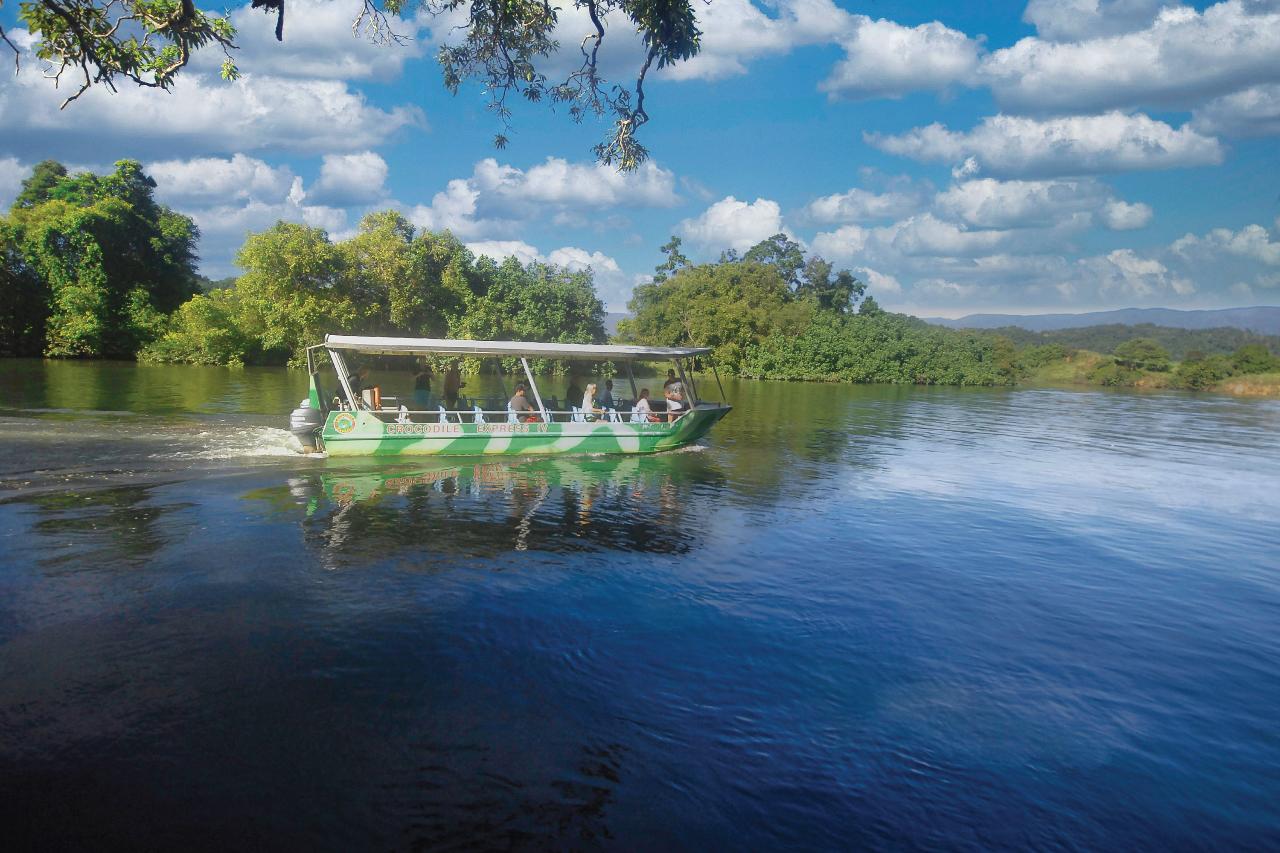
Daintree crocodile cruise reviews consistently highlight successful saltwater crocodile sightings on morning departures, with most guests reporting between two and five crocodiles per trip. The electric-powered Solar Whisper vessels receive praise for quiet operation that allows close wildlife observation. Negative feedback centers on afternoon heat and occasional missed sightings during wet season high water, when crocodiles disperse into flooded tributaries.
The Daintree River hosts one of the highest densities of saltwater crocodiles in Far North Queensland, with an estimated population exceeding seventy individuals along the lower stretch between the ferry crossing and the river mouth. This concentration makes the waterway a reliable location for crocodile observation, though sighting success varies by season, time of day, and water level. Guest reviews from the past eighteen months show a clear pattern: morning departures between nine and eleven yield the highest wildlife counts. Crocodiles bask on mudflats and riverbanks during cooler hours, and the electric propulsion systems used by operators like Solar Whisper allow boats to drift within meters of resting animals without causing disturbance. Reviewers frequently mention the absence of engine noise as a key factor in their satisfaction, particularly those who had previously taken diesel-powered river tours elsewhere. The silent approach permits extended observation and photography, with many guests capturing close-range images of crocodile behavior that would be impossible on louder vessels. Feedback on wildlife variety beyond crocodiles is equally positive. The Daintree River mangrove ecosystem supports over two hundred bird species, and daintree crocodile cruise reviews regularly cite sightings of azure kingfishers, great-billed herons, and white-bellied sea eagles. The morning light also benefits birdwatching, as many species are most active during the first hours after dawn. Guides receive consistent praise for their ability to spot camouflaged wildlife and provide context about the river's ecology, including the role of mangrove root systems in supporting juvenile fish populations that in turn sustain the crocodile food chain. Critical reviews most often reference afternoon conditions. Summer temperatures on the open water can exceed thirty-five degrees Celsius, and the lack of shade on some vessel configurations leaves passengers uncomfortable. A smaller subset of negative feedback comes from visitors who took cruises during the wet season, roughly December through March, when river levels rise and crocodiles move into smaller creeks and floodplain lagoons. During these months, sighting rates drop, though bird diversity often increases as migratory species arrive. Understanding this seasonal dynamic helps explain the variance in guest satisfaction across different times of year. Value perceptions in visitor feedback correlate strongly with wildlife encounter quality. Guests who see multiple crocodiles, observe feeding or territorial behavior, and photograph a variety of bird species rate the experience as worth the cost. Those who see fewer animals or experience poor weather conditions are more likely to express disappointment. The hour-long duration receives mixed commentary: some reviewers appreciate the focused format, while others wish for extended time on the water. The absence of food or beverage service on shorter cruises is noted but rarely criticized, as most visitors understand the tour's emphasis on wildlife observation rather than hospitality amenities.
“The electric motor allowed us to drift within three meters of a four-meter crocodile without startling it, an encounter that would have been impossible on a conventional tour boat.”
The best window to visit is between 09:30 and 11:00, when morning temperatures are cooler and softer light increases wildlife activity. This timing aligns with higher crocodile basking rates, particularly during low tide.
Sunny and dry, 17°C–27°C
This is the premier period for crocodile spotting as cooler river water forces the reptiles onto the banks to bask. Sighting rates are at their highest.
Warm and humid, 21°C–32°C
Water temperatures rise, causing crocodiles to spend more time submerged and harder to spot. However, you might catch early nesting behaviors or hatchlings.
High humidity and rain, 24°C–33°C
Frequent monsoonal rain fills the creeks, making crocodiles less active on the mud banks. The rainforest canopy is dense and bird activity increases.
—
Booking a cruise during the 09:30–11:00 window offers softer light and active wildlife before temperatures peak. It also avoids the main midday tour groups.
Verdict: Choose a weekday morning between Tuesday and Thursday, arriving during the 09:30–11:00 window from June to September for the highest crocodile sighting rates.
The cruise runs every day of the week, with regular departures scheduled from morning until the final afternoon tour.
Ticket prices for the crocodile and wildlife cruise depend on the passenger's age and group configuration. Rates are divided into standard adult fares, youth prices, and packaged family discounts.
Verdict: A typical adult passenger pays 35 AUD for a one-hour cruise, though choosing a family bundle can lower the individual rate.
The cruise departures are located on the southern bank of the Daintree River at 315 Cape Tribulation Road. Driving via the Captain Cook Highway is the easiest way to reach the ticket office.
Captain Cook Highway (State Route 44) to Daintree Ferry
Mossman-Daintree Road to Daintree Ferry
Trans North Bus to Daintree Ferry
Pedestrian path from Daintree Ferry south landing
Arrive at least 15 minutes before your scheduled cruise departure to check in. Free parking is available directly on-site near the ferry terminal.
Prepare for your Daintree River wildlife adventure with these practical tips from experienced visitors.
The vessel features a high-definition screen linked to a zoomed camera, which helps passengers spot camouflaged pythons, frogs, and juvenile crocodiles in the dense foliage.
Sandflies and mosquitoes are common near the riverbanks and ferry ramp, so wear long pants or use repellent to remain comfortable during the cruise.
The flat-bottomed boat features bench seating along both sides, ensuring that every passenger has a clear, unobstructed view of the riverbanks.
Because the electric engine is completely silent, crocodiles and birds do not get startled, allowing you to observe natural movements from a close distance.
Cruises operate in wet weather, and rain can encourage certain wildlife species to become more active, so packing a poncho or windbreaker is practical.
If arriving from the north side, leave your vehicle on the north bank, cross the ferry as a foot passenger, and walk 400 meters to the ticket office.
Saltwater crocodiles are apex predators that can strike quickly from the water, so keeping all body parts inside the secure barrier is mandatory.
Everything you need to know about daintree crocodile cruise reviews
Recent daintree crocodile cruise reviews often highlight the expertise of local guides and the quiet nature of solar-powered vessels. Travelers frequently note that the focus remains on observing estuarine crocodiles in their natural mangrove habitat without environmental disruption. Many guests emphasize the educational value of the commentary provided throughout the experience.
Visitors sharing daintree crocodile cruise reviews frequently recommend bringing binoculars for better views of reptilian inhabitants and local birdlife. Guests suggest that patience is key when navigating the river, as spotting wildlife depends on tide levels and current weather conditions. The consensus is that a respectful, non-intrusive approach yields the best photography opportunities.
Many families find this Daintree River nature excursion appropriate for children due to the stable nature of the boats and the excitement of seeing large predators from a safe distance. Parents writing daintree crocodile cruise reviews often mention that the one-hour duration is well-suited to younger attention spans. It is recommended to check specific age policies if traveling with very young infants.
Those looking for advice in daintree crocodile cruise reviews often suggest booking in advance to secure a spot during peak periods. Travelers note that checking the official website allows for easier planning around the daily schedule. Consistent feedback suggests that arriving early helps in securing a comfortable seat for the best visibility.
Reviews often note that the best arrival window is between 09:30 and 11:00 for the most active wildlife encounters. Morning sessions are frequently praised for providing soft light, which is ideal for photography, and cooler temperatures compared to the heat of the afternoon. Many guests indicate that morning departures offer a more serene environment on the river.
Safety is a recurring theme, with reviews emphasizing that passengers must follow crew instructions to remain within designated areas of the boat. The boats are designed to keep guests separated from the water while allowing for clear viewing of the riverbanks. Following these guidelines ensures a secure experience while observing the apex predators of the region.
Daintree Village Crocodile Cruises
Read more GuideAre There Crocodiles in the Daintree River?
Read more GuideHow Many Crocodiles in Daintree River?
Read more Tickets & toursBest Daintree River Crocodile Cruises
Read more Tickets & toursDaintree Crocodile Tours from Cairns
Read more Tickets & toursDaintree Crocodile Tours from Port Douglas
Read more Tickets & toursMossman Gorge & Daintree Crocodile Cruise
Read more Tickets & toursDaintree River Crocodile & Wildlife Cruises
Read more GuideDaintree Crocodile Tour Prices
Read more